
From Fear to Fascination
A History of the Vampire in Popular CultureThis thread traces the author’s movement from childhood horror viewing through goth identity to a mature fascination with vampire culture.
increasing Bearing strength in each event
 decreasing
Bearing strength in each eventdecreasingChildhood Horror Habit
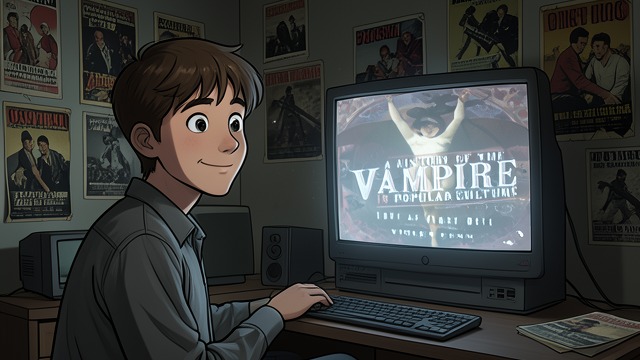
Childhood Horror Habit
First Encounters
The narrator discovers old horror films and responds less with simple fear than with attraction. The stark opposition between life and death gives the imagined world an emotional clarity absent from ordinary life.
Emerging Desire
The vampire becomes both monster and ideal companion. Watching from safety allows forbidden beauty, sexuality, and danger to coexist without immediate consequence.
Gothic Self Invention

Gothic Self Invention
Subcultural Belonging
The narrator adopts black clothing, heavy eyeliner, dark music, and horror imagery. These choices transform private obsession into a visible social identity.
Safe Otherness
Goth culture offers a language for feeling different without requiring surrender to ordinary expectations. The vampire becomes a symbolic guide into a community built around darkness and creative freedom.
Historical Investigation
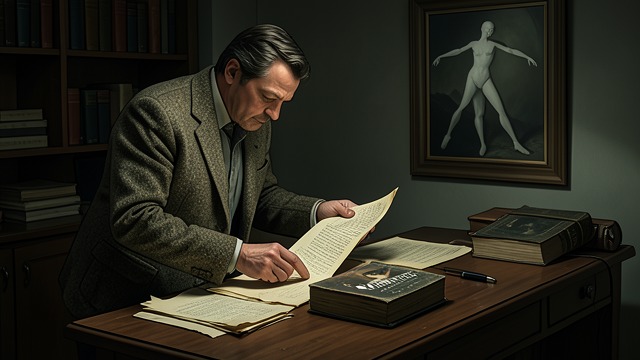
Historical Investigation
Beyond the Screen
The book turns from personal memory to folklore, medical history, literature, film, television, and music. Vampires emerge as changing cultural constructions rather than a single stable species.
Interpretive Method
The narrator repeatedly compares superstition with biology and fiction with social history. The investigation preserves the pleasure of the myth while exposing the fears that produced it.
Popular Culture Survey
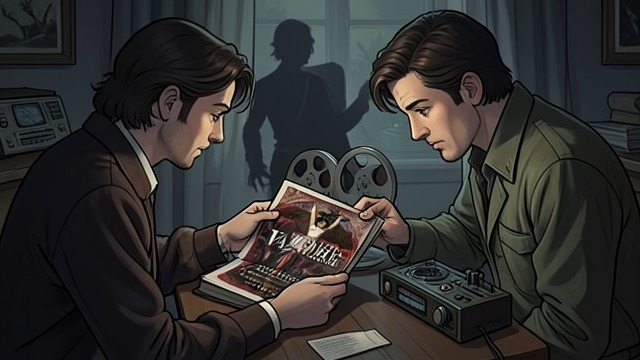
Popular Culture Survey
Expanding Forms
The vampire appears as seducer, victim, comic neighbor, ethical addict, musician, detective, and social outsider. Each example modifies familiar rules while retaining the central attraction of blood and difference.
Comparative Reading
The book moves freely across centuries and media, treating adaptations as arguments about what a vampire should mean. Contradiction becomes evidence of cultural vitality rather than inconsistency.
Return to Mortality
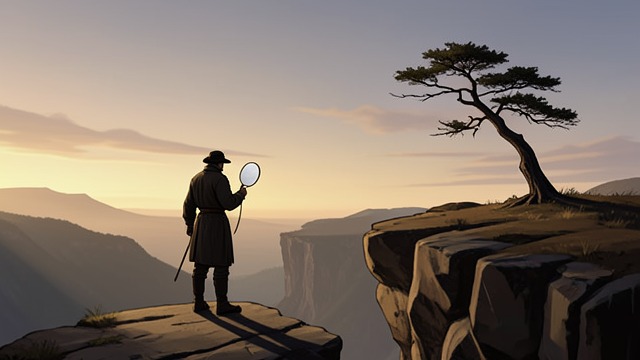
Return to Mortality
The Last Sunrise
The final movement questions whether immortality would actually satisfy the desires attached to it. Endless existence could become isolation, repetition, and witness to universal loss.
Meaning Through Limits
The vampire remains attractive because death is real and the fantasy is safely impossible. The book closes by returning fascination to the mortal condition that generated it.
early teens
the 1980s
early chapters
middle chapters
the epilogue
